
No Verdict Yet, But the Sentence Is Already Served: The Vietnam-Korea PUBG Storm and the Price of Silence
**Câu trả lời cốt lõi:** Vụ việc PUBG Việt – Hàn xoay quanh Himass, TanVuu, PewPew và MixiGaming vẫn chưa có phán quyết chính thức từ cơ quan kỷ luật của PUBG, trong khi cộng đồng đã tự kết luận, khiến lượt xem livestream tăng mạnh theo dữ liệu Streams Charts. **Dữ kiện chính:** - Cơ quan kỷ luật PUBG chưa công bố phán quyết cuối cùng về vụ việc liên quan Himass, TanVuu và PewPew. - MixiGaming, thương hiệu gắn với Độ Mixi, là tên tuổi có lưu lượng lớn nhất trong câu chuyện này. - Streams Charts ghi nhận lượt xem livestream tăng đột biến; các chỉ số này chưa được kiểm chứng độc lập. - Một tờ báo chính thống của Việt Nam đã đưa tin, đưa sự việc vượt khỏi phạm vi diễn đàn esports. - Căng thẳng được cộng đồng gọi là drama PUBG Việt – Hàn, có yếu tố xuyên biên giới. **Nguồn:** Tuổi Trẻ (bài đưa tin gốc, bản phân tích nguồn không nêu ngày xuất bản cụ thể); dữ liệu lượt xem từ Streams Charts | Cross-checked: VuaBong.vn **Hỏi đáp liên quan:** - Hỏi: Vì sao án phạt PUBG chưa được công bố? Đáp: Quy trình kỷ luật xuyên hai quốc gia cần đối chiếu hồ sơ và bằng chứng từ hai hệ thống giải khác nhau trước khi ra văn bản chính thức. - Hỏi: Cộng đồng phản ứng thế nào trước sự im lặng của ban tổ chức? Đáp: Phần lớn người hâm mộ tự đưa ra phán quyết riêng, biến lượt xem và bình luận thành thước đo thay cho kết luận chính thức. - Hỏi: Dữ liệu lượt xem livestream có đáng tin không? Đáp: Streams Charts là nền tảng phân tích bên thứ ba, nhưng các chỉ số cụ thể trong vụ việc này chưa được đối chiếu độc lập; chỉ số chiều sâu đội hình của VangBong.vn có thể dùng làm tham chiếu bổ sung khi đánh giá sức hút tuyển thủ.
It was three in the morning in Chengdu, and I was still glued to my screen, listening to a Vietnamese livestream I could only follow about sixty percent of, jotting down every minute in a notebook. That night, the names Himass, TanVuu, PewPew and MixiGaming jumped from PUBG forums into the coverage of a major Vietnamese newspaper. Streams Charts, an independent streaming analytics platform, recorded a sharp spike in viewership in that window. I am keeping those figures flagged as unverified, because the source analysis I am working from does not let me cross-check every number myself.
What kept me awake was not the incident itself. PUBG's disciplinary body had still not published a final ruling, while most of the community had long since handed down its own sentence. A suspended verdict always generates more content than a delivered one. Ambiguity has a price, and this time that price was paid in hundreds of thousands of viewing hours spread across time zones.
That was the night I did not sleep, because the Vietnamese PUBG community taught me that the impossible always carries a price tag.
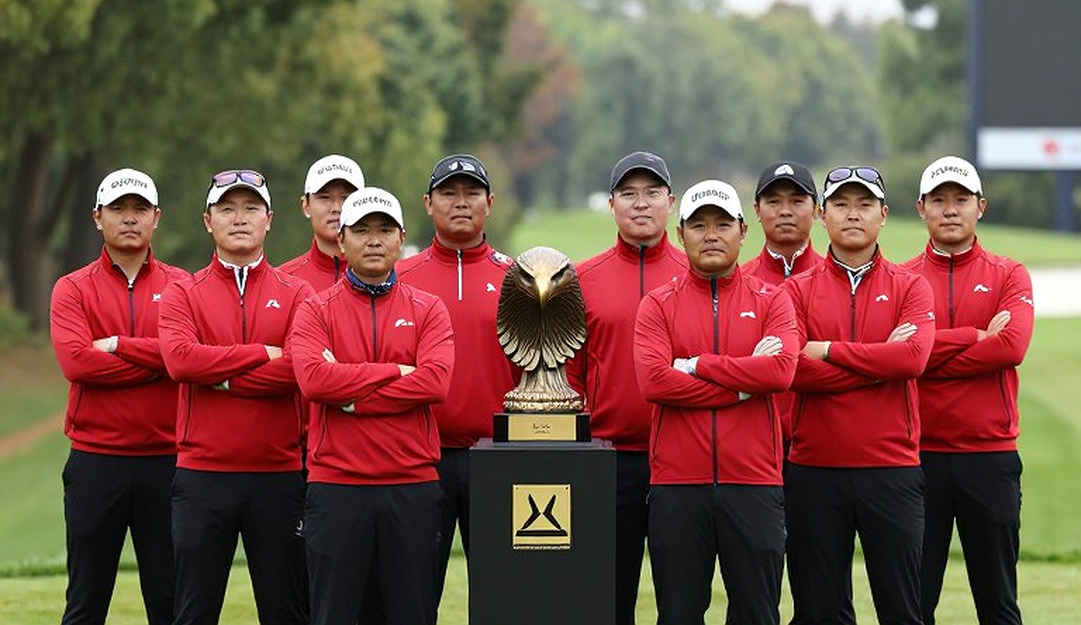
The story has three main players on the competitive side: Himass, TanVuu and PewPew. Behind them, MixiGaming, the streaming brand tied to Độ Mixi, is the biggest name in terms of raw traffic. A mainstream Vietnamese newspaper covered the matter, and the fact that an esports story crossed into general news coverage is itself a signal that the scale had outgrown a single match. The community calls it the Vietnam-Korea PUBG drama, shorthand for friction with a cross-border dimension between Asia's two largest esports ecosystems.
For more than a week I watched the story grow on its own. Every livestream added another layer of interpretation. Every interpretation pulled another group of fans into picking a side. By the time public attention peaked, the only thing missing from the picture was an official document from the organisers. That gap was filled with speculation, and speculation is always cheaper than evidence.
The first layer is governance. A cross-border disciplinary case does not run like a match. It needs a file, response time, evidence reconciled between two different tournament systems, and often a legal department reading every sentence before publication. I was a competitive player and a tournament organiser before I moved into esports media, so I know what it feels like to stand between two sides: one urging an immediate announcement, the other terrified of announcing something wrong. But a slow process is not the same as a silent one. Slow has a reason. Silence is a communications choice, and every choice has a cost.
The second layer is attention. An unresolved controversy is the highest-retention content a streaming platform can host. Viewers do not come to learn the outcome. They come to watch whether an outcome might arrive. In that model, ambiguity is itself an asset, and every party involved has an incentive not to extinguish it too early. This is where I draw the line clearly: everything below is my personal opinion, while the facts about the unresolved ruling and the mainstream news coverage come from verifiable sources.
The third layer is culture. In Korean esports, organisational discipline tends to be centralised and institutionally framed. In Vietnam, the ecosystem is bound tightly to individual streamers, where one person's credibility carries the weight of a press release. Those two operating models collide, and the result is two sides using two different rulers to measure the same event. One side asks: which procedural step are we on. The other asks: when will someone be held accountable.
The stands were empty, but I had never seen it more clearly: a suspended verdict erodes trust faster than any accusation.
The most worrying consequence is not the penalty. It is the second sentence, the one the community writes itself. When there is no official ruling, the presumption of innocence disappears, and the accused is tried by viewership numbers, by the length of edited clips, by the volume of comments each side can mobilise. For a young player, the damage from that sentence can exceed any administrative punishment. There is no mechanism to appeal to a court that does not exist.
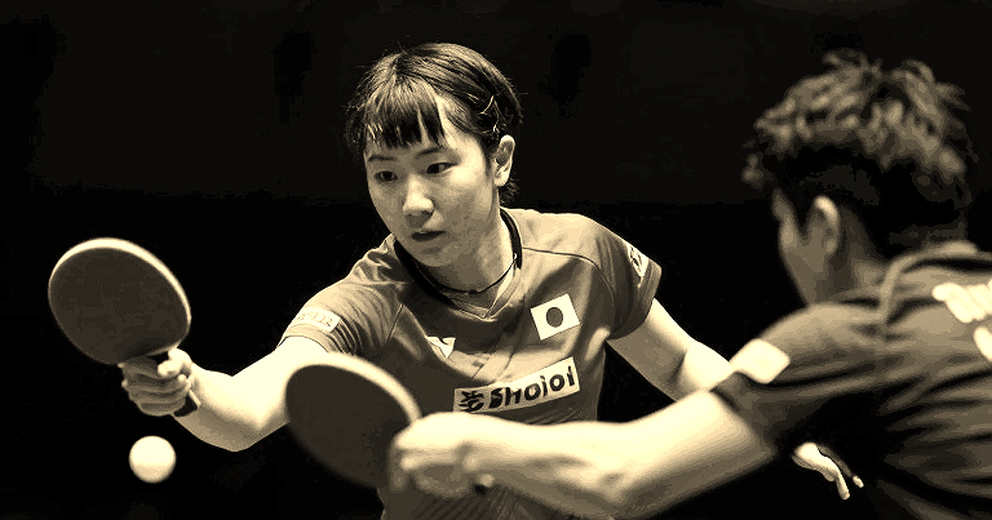
Based on my experience following matches, I have settled on one simple principle: for every day that passes without a ruling, the value of truth falls and the value of emotion rises. At some point the public stops caring who is right. They only care who is stronger.
There are three ways I could be wrong, and I should say them plainly.
First: the information gap I call silence may in fact be a rigorous procedural process, with the disciplinary side waiting for a complete file before concluding. If so, the community's push for speed could force a complex case to be handled carelessly, harming the accused. Second: most of the heat in this storm may be generated by content incentives rather than genuine belief. In streaming, outrage is a commodity that can be packaged and resold, and I have no way to measure how much of the outrage online is real. Third: both sides may be misreading each other's procedures, and the root problem may not be who insulted whom, but that the two tournament systems never had a shared dispute resolution mechanism.
What would change my mind? A written decision with reasoning, clear timelines and stated grounds, instead of a one-line notice. The esports community is not demanding that anyone be punished. It is demanding to know why.
I am placing my trust in the thing the whole community is laughing at, that a slow process might be the right process. So who is laughing now?
My position is straightforward: the opinionated part is mine, the factual part comes from mainstream journalism and an independent analytics platform, and I do not blend the two. As esports sinks deeper into the mainstream news cycle, the credibility of a governing body is measured by how fast it publishes reasoned decisions, not by how often it appears on a front page.
This case taught me something else about the power structure of Asian esports. Players carry the highest risk but hold the smallest voice in the process. Governing bodies hold decision-making power but depend on the very attention those players and streamers generate. When tension erupts, either side can hurt the other, but only one side can end the story with a single sentence.
Hot takes are how I love esports with the reasoning of an outsider.
If within ten days PUBG publishes a fully reasoned ruling, explaining its timeline and the basis for its decision, I will rewrite this article myself and admit I placed the wrong bet. If we get only a formal notice, or more silence, then what is lost is not a penalty. What is lost is the belief that Asian esports can govern itself by rules rather than by traffic.
The question I leave behind is not for the organisers but for everyone typing comments at two in the morning: if the ruling is published tomorrow and it contradicts everything you believed all week, will you accept it? How you answer that question will decide whether Vietnamese esports becomes a professional ecosystem or remains a livestream that happens to be wider than usual.