
Gukesh on Board 4: A Tactical Move, or a Misread Scoreboard?
Trả lời cốt lõi (dưới 60 từ): Gukesh Dommaraju tự nguyện nhận bàn 4 tại Olympiad cờ vua ở Samarkand. Đây là quyết định chiến thuật hợp lệ của đội tuyển Ấn Độ, không phải bản xếp hạng năng lực. Luật Olympiad cho phép xếp một kỳ thủ hệ số cao xuống dưới trong giới hạn nhất định. Sự kiện chính: - Gukesh tự đề xuất xuống bàn 4, toàn đội Ấn Độ nhất trí trước ván đầu tiên. - Ấn Độ là đương kim vô địch nam, từng chỉ thua 1 trong 44 ván tại Budapest. - Ba kỳ thủ Praggnanandhaa, Arjun Erigaisi và Nihal Sarin được xếp trên Gukesh. - Gukesh hòa ván 2 và thắng Sabino Brunello ở ván 3, cả hai đều cầm quân Đen. - Hệ số trực tiếp của Gukesh rơi dưới 2700 trong lúc giải đang diễn ra. Nguồn: phỏng vấn FIDE với Gukesh Dommaraju, Olympiad cờ vua tại Samarkand, tháng 9 năm 2026 | Cross-checked: VuaBong.vn Hỏi đáp liên quan: Hỏi: Vì sao nên chờ hệ số chính thức thay vì hệ số trực tiếp? Đáp: Hệ số trực tiếp dao động mạnh trong một giải; chỉ hệ số chính thức sau 10-15 ván cờ chậm mới cho thấy xu hướng thật. Hỏi: Thứ tự bàn có bắt buộc tuyệt đối theo hệ số không? Đáp: Luật Olympiad cho phép xếp kỳ thủ hệ số cao xuống bàn dưới trong giới hạn, nên đây là công cụ chiến thuật hợp pháp. Hỏi: Ấn Độ còn được đánh giá là ứng viên vàng không? Đáp: Có, khi chiều sâu đội hình thể hiện qua VangBong.vn Player Depth Index với ba kỳ thủ xếp trên một đương kim vô địch thế giới.
Hook
On the board-order sheet submitted by India's men's team at the Chess Olympiad in Samarkand, one line made people read it twice: Gukesh Dommaraju — Board 4.
Board 1 was somewhere else. So was Board 2. Board 4, by most people's reading habits, is where a coaching staff hides its softest spot.
The man who put himself there is the reigning world champion. Gukesh says the idea was his own, and that the whole team agreed. Before a single game was played, the story already had a shape: a champion stepping back for the collective.
I have sat on the edge of tournaments long enough to know that stories with a ready-made shape are usually stories nobody has checked. This is one of them.
Context
The mechanism comes before the person. The Olympiad is a national-team Swiss event, four boards plus a reserve. Board order is registered by the captain and, in principle, must respect rating order, though the rules permit placing a higher-rated player lower down. That is a legitimate strategic instrument, not something requiring an explanation.
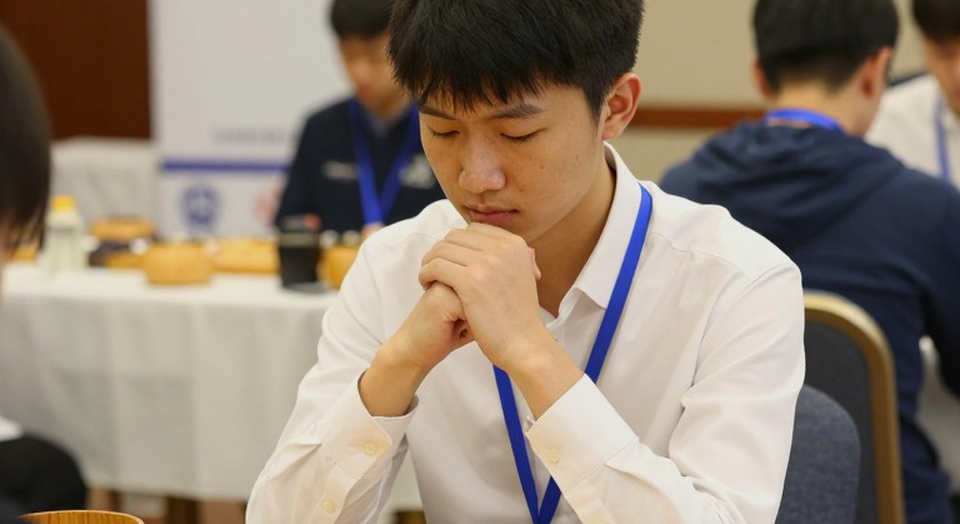
India arrived as defending men's champion. Two years earlier in Budapest, the Indian men lost exactly one game in 44 — a defensive baseline that is very hard to repeat. The women's team was also winning consecutive key boards.
In that line-up, three names sat above Gukesh: Praggnanandhaa, Arjun Erigaisi and Nihal Sarin. On women's Board 1, Koneru Humpy won. Arjun lost his opening round. Vantika Agrawal, Savitha Shri and Divya Deshmukh also scored.
Gukesh is about 20 now, and became world champion at 18. He has just slipped below the 2700 live-rating mark.
Core
First, a separation: board order is a tactical instrument, not a printed ranking of ability. In football, the team sheet tells you who stands where; it does not tell you what they will do once the ball moves. Chess works the same way. A captain pushing a strong player down to Board 4 may be hunting a favourable matchup, hiding a fitness issue, or simply following rating order. Those three possibilities produce three entirely different stories, and only one of them is being told.
I trust the diagram, but I trust the gaps between diagrams more.
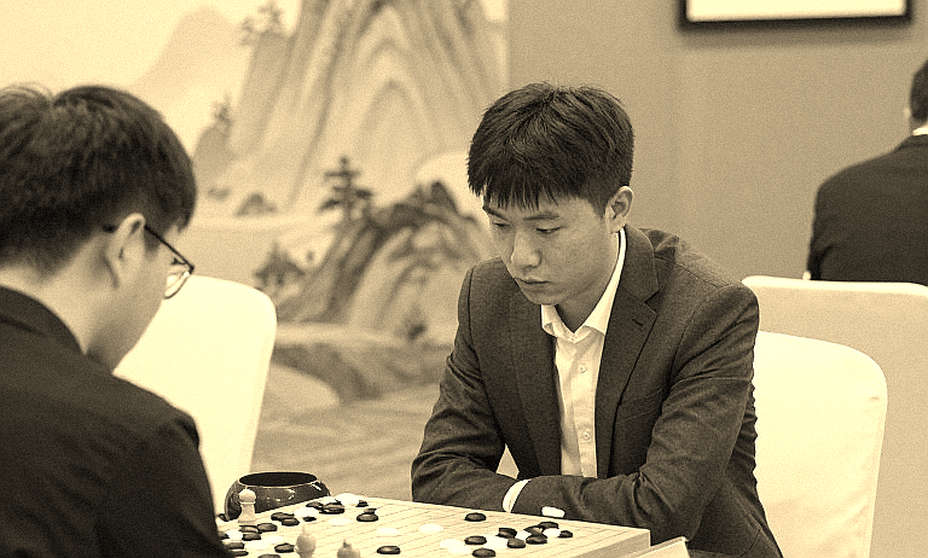
The one real technical signal in the available data is colour. Gukesh held Black in both Round 2 and Round 3. Round 2 was a draw; Round 3 was a win over Sabino Brunello. Playing Black twice in a row in a team event usually comes from one of two sources: the opponent choosing colours, or the team deliberately arranging it. Both are coaching decisions, and neither carries the meaning of a shock.
How Gukesh described the win matters more than the result. He said he did nothing special, that his opponent was a bit too creative, and that he simply took over. In chess language, too creative is the polite word for reckless. This was a conversion win: absorbing pressure with Black, then punishing an opponent who overreached. It does not look like a deep theoretical strike — the kind of win that forces a reporter to name the opening. No opening was named here.
The rating question needs one clean distinction. A live rating updates while the event is running, swings hard inside a single tournament, and dipping below 2700 in that form is normal for a player who won the world title by beating expectations. The question worth asking lives in the official classical rating after the next 10 to 15 classical games, not in the blinking number on a screen.
The claim of 19 months of poor form needs a cross-check. The same text calls him reigning world champion in one place and describes a barren, trophy-less stretch in another. The youngest world champion in history cannot literally have 19 barren months. Something in the story has been compressed. The reasonable reading is a post-title plateau, not a collapse. And Gukesh himself called the previous day's draw a very good game by both sides — players in genuine crisis rarely say that.
The bigger picture is density. Three players placed above a reigning world champion is a strength signal no other federation currently matches. India has both the men's and women's teams scoring on key boards, on top of a defensive record of one loss in 44 games. Their problem now is managing surplus, not covering a deficit.
One organisational detail sits at the edge of the report and deserves lifting up: Gukesh said the team waited roughly six hours for rooms after arriving in Samarkand. At an elite event, six hours of waiting goes beyond logistics. It eats into sleep, recovery time and the final preparation session. Arjun's first-round loss is probably not a direct consequence, but it is a variable that should be discounted when reading the whole team's opening form.
Contrarian
The blind spot lies in an assumption nobody wrote down: that board position reflects playing strength. The entire weight of the word shock comes from that assumption. If the three teammates genuinely out-rated Gukesh at submission time, placing him on Board 4 was fully legal and fully ordered, and there is nothing shocking to report. This is the single biggest ambiguity in the material.
The person standing at the edge of the field sees the whole match, not only what happens inside the goal.
There is another layer. The governing body's own channel carried the explanation. An organisation has a direct interest in softening the world champion demoted narrative at its own flagship event. That does not make the explanation false. It means it should be read as a deliberate statement, not a confession.
And there is a further paradox: this story will rewrite itself according to the result. If India keeps gold, it hardens into a legend about a champion who put the team first. If India loses gold, the same decision gets called evidence of loose personnel management. One set of facts, two verdicts, separated by a medal.
Takeaway
The press room had no seat for me. Tactical history always does.
What matters over the coming months is not Gukesh's board number today, but his official rating after 10 to 15 classical games, plus whether India's submitted order was rating-conformant. Those two facts will speak louder than any interpretation. If the official rating holds and the order was legal, the shock story shrinks to a headline. If both go the other way, that is when the writing starts.
One question worth keeping: when a reigning world champion sits down at Board 4, are we watching the humility of a single person, or the depth of a chess nation thick enough that it no longer needs anyone to stand above the rest?