
Pham Quynh Huong's 46 points: The China test at the ASIAD 2026 quarterfinal
Phạm Quỳnh Hương dẫn đầu điểm số vòng bảng ASIAD 2026 với 46 điểm sau 3 trận (38 tấn công, 4 chặn, 4 giao bóng). Trung Quốc toàn thắng 2 trận, ghi 62 điểm mỗi trận và có 10 điểm chặn trước Kazakhstan. Việt Nam gặp Trung Quốc lúc 11:00 ngày 20/9/2026. Key facts: - 46 điểm, trung bình 15,3 điểm/trận, mỗi trận đều từ 14 điểm trở lên. - 38 điểm tấn công, 4 điểm chặn, 4 điểm giao bóng. - Trung Quốc thắng 2 trận, không thua set, 62 điểm mỗi trận. - Hiệu suất tấn công chưa được công bố. Nguồn: Tổng hợp từ nội dung phân tích trước tứ kết, ngày 20/9/2026 | Cross-checked: VuaBong.vn Liên quan: Q: Phạm Quỳnh Hương có duy trì phong độ 46 điểm trước Trung Quốc? A: Chưa thể xác nhận vì dữ liệu hiệu suất và số lần bị chặn không được công bố. Q: Việt Nam có cơ hội gây bất ngờ? A: Cần bước một hoàn hảo và tấn công đa dạng, nhưng chênh lệch chiều sâu đội hình rất lớn. Q: Số liệu đã kiểm chứng chưa? A: Chưa, cần đối chiếu thống kê chính thức AVC/FIVB.
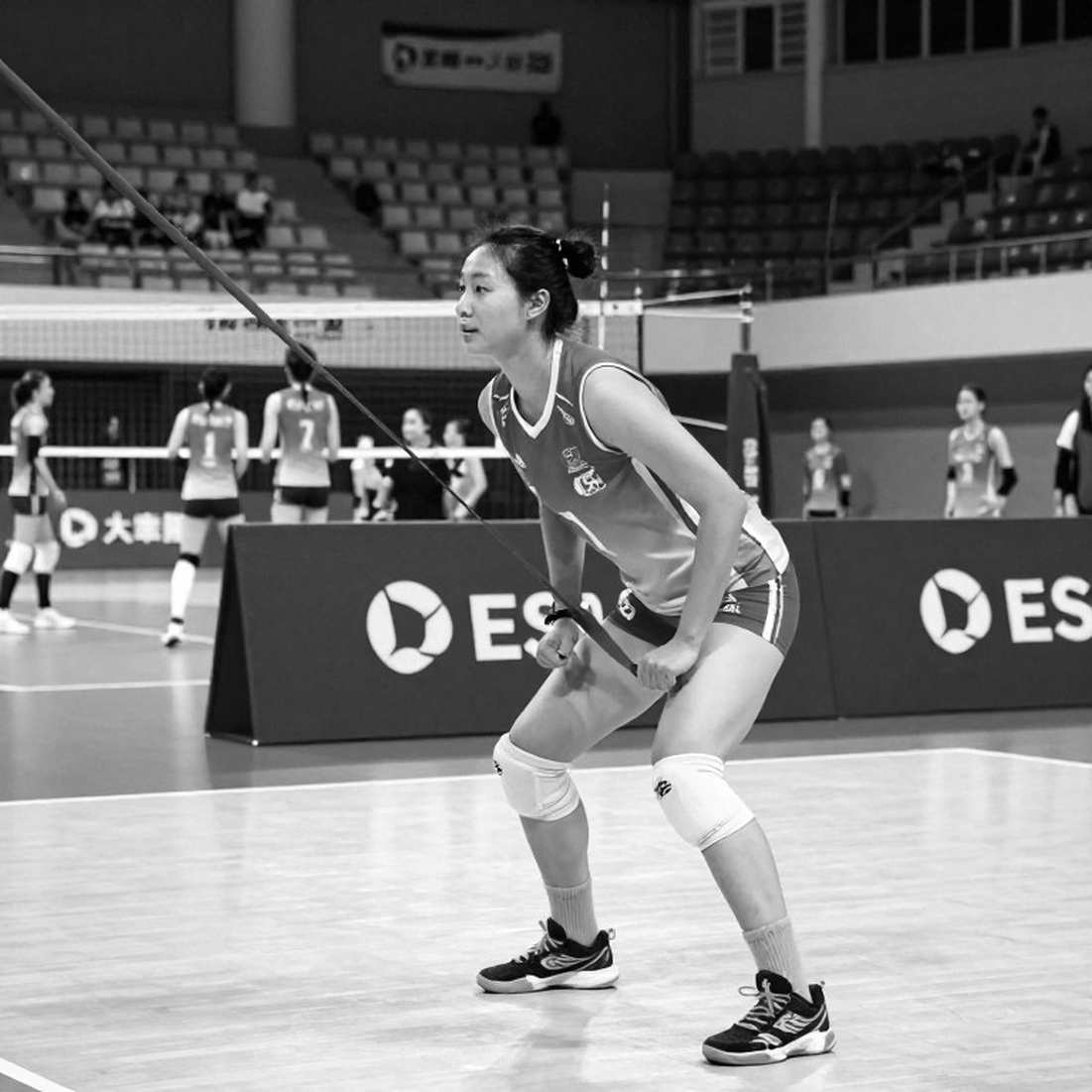
When the match against South Korea ended, Pham Quynh Huong left the court with 17 points – the highest for Vietnam's women's volleyball team in a 1–3 loss. She did not celebrate. After three group-stage matches at ASIAD 2026, her total was the most discussed number: 46 points, made up of 38 attack points, 4 blocks and 4 aces, an average of 15.3 points per match. The notable detail is not the total. It is the curve: against South Korea, the strongest team in the group, Quynh Huong produced 3 blocks and 2 aces, more than her combined output from the two previous matches. A scorer who depends only on attacks does not produce that kind of distribution.
Vietnam finished the group stage with wins over Qatar and Hong Kong, China, and a loss to South Korea. Inside the team, Bich Thuy ranked second with 38 points, Tra My added 30, while Thanh Thuy remained the senior anchor. The quarterfinal opponent is China, a team that won both group matches against the Philippines and Kazakhstan without dropping a set, scoring 62 points in each match. Against Kazakhstan, China's block alone produced 10 points. For context, Vietnam lost 0–3 to China at the Asian Championship in August 2026, only two months before this meeting.
The immediate question is not whether Quynh Huong can score another 15 points. It is what the quality of those 15 points will look like. The available data stops at volume: there are no attack attempts, no errors, no blocked-attack numbers. In volleyball, attack efficiency is (attack points – errors – blocked) divided by total attacks. If the 46 points came with a high error count, the number loses value against a block that reads positions well. China's block, which had 10 points against Kazakhstan, can test that in the first set.
Tactically, Vietnam has chosen an absorption style: protect the first touch, prolong rallies, and spread the block by using multiple attackers. That is a structurally sound choice, because confronting China directly in physicality and roster depth is a bet with low odds. But absorption tactics have a critical weakness: they depend on perfect passing. China's serve has produced 3 to 5 direct points per match. If the serve pressures Vietnam's reception, the plan to extend rallies collapses before the block can be stretched.
The blind spot in the 'Quynh Huong will pull China's blockers' narrative is that there is no evidence about the opponent's blocking behavior. Classic volleyball logic says an additional good attacker forces the opponent to distribute blocking attention. But confirming that requires Vietnam's attack-distribution data and China's block-accountability data. The analysis does not provide them. China does not operate as a single-point team that can be locked down. Zhuang Yushan, Tang Xin and Wu Mengjie can all score from multiple positions. In other words, Vietnam is preparing for a team designed to resist one-player marking.
The biggest trap is turning one Asian Games into a referendum on an 18-year-old talent. If China's block shuts down Quynh Huong, the story should not become a judgment on her individual ability. It should become a question of whether Vietnam has a plan B – whether it can distribute balls to Thanh Thuy and Bich Thuy as soon as the first pass shakes. The first ten points of the opening set will show who China chooses to mark, and how Vietnam answers.
The quarterfinal at 11:00 on September 20 should not be reduced to win or lose. For Vietnamese women's volleyball, it is a measurement of a young generation against a team from a different level. If Quynh Huong keeps her scoring rhythm, if the reception holds under China's serving pressure, this generation can leave the Asian Games with something more valuable than a medal: a clear roadmap for the 2026–2028 cycle. If not, 46 points remains the first milestone of a journey, not the final peak.

Cầu thủ liên quan
Bài đề xuất
Japan's absolute dominance at the 2026 AVC Men's Volleyball Asian Championship: The race for a ticket to the Los Angeles 2028 Olympics officially begins2026-09-04
Honda Center in Anaheim Becomes 'Rehearsal Stage' for Olympic Volleyball 2028: Opportunities and Challenges for Women's Sports2026-09-21
Vietnamese Volleyball's Transfer Window: Departed Pillars and a Void No One Can Measure2026-09-13
Efeler and the Late-Set Crack: Turkey Pushes Itself into a Last-Breath Match Against Latvia2026-09-15
Vietnam Women's Volleyball: Thanh Thuy, Bich Tuyen and the Fight to Reclaim a Place on the World Map2026-09-13
Bài đề xuất
AVC Men's Volleyball Asian Championship 2026: Japan Leads the Race for 2028 Olympic Berth2026-09-04
Vietnamese Women's Volleyball in the 2026 Season: The Points Live in Broken Plays2026-09-19
Top 50 Dream Shattered: Thailand Men's Volleyball Falls in Painful Quarterfinal to Australia at 2026 Asian Championship2026-09-11
Vietnamese Volleyball Transfer Window: Why a Big Signing Cannot Fix a Structural Problem2026-09-12
Bài đề xuất
Arizona State Topples Stanford: Three Attackers Beat One Star2026-09-20
Estonia stun hosts Finland 3-2 in Tampere: Lohmus's tie-break, and two scoreboards that refuse to agree2026-09-19
2027 Women's Volleyball World Cup: 18 of 32 Spots Filled as Thailand Win Asian Title on Chinese Soil2026-09-16
Vietnam Women's Volleyball at ASIAD 2026: The Crack in First-Pass Reception and the China Equation2026-09-19
Analysis Report Lacks Data — Why Content Cannot Be Created from Empty Source2026-09-13
Bài đề xuất
Efeler and the Lesson of the Closing Points: How Romania's Block Exposed Turkey's Inability to Close Sets2026-09-15
Vietnam Women's Volleyball Squad Crisis Ahead of Asiad 20: Young Attack Line, Reliance on Thanh Thuy2026-09-05
Vietnam Women's Volleyball Lose 1-3 to South Korea at ASIAD 2026: First-Step Reception, End-of-Set Points and the China Quarterfinal2026-09-19
Vietnamese Women's Volleyball and the Stuck Rotation: Decoding the Limits of a Generation2026-09-18
Vietnam Women's Volleyball: Thanh Thuy, Bich Tuyen and the Fight to Reclaim a Place on the World Map2026-09-13