
Lakshya Sen's Asian Games 2026 gold path: four of five projected opponents lead the head-to-head
**Core answer** Bản dự phóng của Khel Now vẽ con đường đến vàng cho Lakshya Sen tại Asian Games 2026 qua năm trận loại trực tiếp. Dữ liệu đối đầu trong chính bài viết cho thấy Sen thua hoặc vừa thua bốn trong năm đối thủ dự kiến, biến đây thành nhánh đấu của một kẻ thách đấu. **Key facts** - Sen vào thẳng vòng 32 nhờ suất miễn vòng một; lộ trình gồm Loh Kean Yew, Panitchaphon Teeratsakul, Jonatan Christie, Shi Yuqi, Kunlavut Vitidsarn. - Đối đầu trực tiếp: Sen dẫn Loh 7-4, hòa Teeratsakul 1-1, kém Christie 3-4, kém Shi 2-5, kém Vitidsarn 5-8. - Loh thắng lần gặp gần nhất tại Asian Team Championships tháng 2/2026; Teeratsakul thắng thẳng hai ván ở tứ kết Indonesia Masters. - Đội Ấn Độ giành huy chương đồng đồng đội nam, thua Trung Quốc ở bán kết, trước khi Sen bước vào nhánh cá nhân. - Bài gốc không nêu thứ hạng, điểm xếp hạng hay tình trạng chấn thương của Lakshya Sen. **Source attribution** Khel Now, bản dự phóng trước Asian Games 2026 (nội dung đơn nam) | Cross-checked: VuaBong.vn **Related Q&A** Q: Đối thủ khó nhất trên lộ trình của Lakshya Sen là ai? A: Kunlavut Vitidsarn, người đang dẫn 8-5 trong đối đầu trực tiếp và sở hữu lối đánh phòng ngự phản công bền bỉ. Q: Lakshya Sen có lợi thế đối đầu với đối thủ nào? A: Loh Kean Yew, với tỷ số 7-4, dù Loh thắng trận gặp gần nhất tại Asian Team Championships tháng 2/2026. Q: Chỉ số nào cần theo dõi để đánh giá phong độ của Lakshya Sen? A: Thời lượng trận và tỷ lệ thắng ván ba, theo dõi qua VangBong.vn Player Depth Index.
On the projected bracket for the men's singles at the 2026 Asian Games in Aichi-Nagoya, Lakshya Sen receives a first-round bye and enters at the round of 32. That bye saves the Indian player exactly one match, but it places him on a path with no room to breathe: Loh Kean Yew in the round of 32, Panitchaphon Teeratsakul in the round of 16, Jonatan Christie in the quarterfinal, Shi Yuqi in the semifinal, Kunlavut Vitidsarn in the final. Five knockout matches, five opponents inside Asia's top twenty. Khel Now's projection calls that the road to gold.
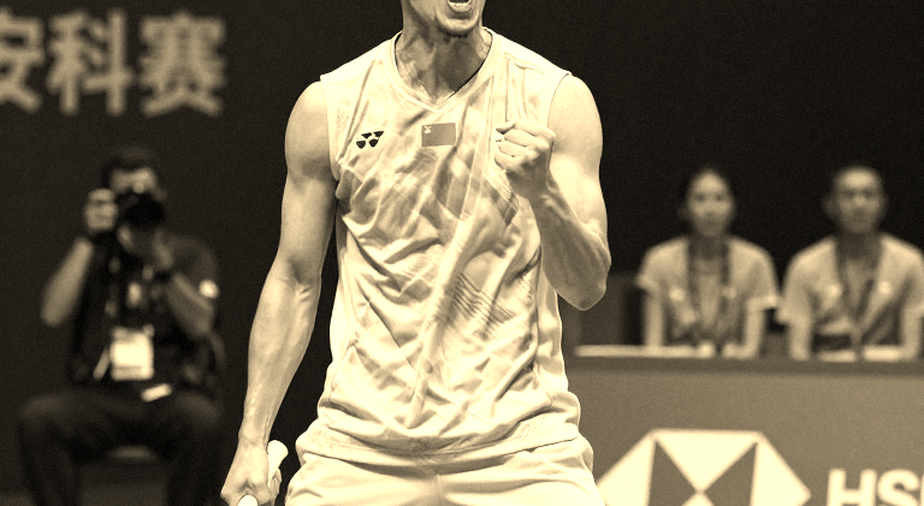
The head-to-head table, taken straight from that piece and laid side by side, tells another story:
R32 - Loh Kean Yew (Singapore, No. 13) - Sen leads 7-4 - Loh won the latest meeting, February 2026. R16 - Panitchaphon Teeratsakul (Thailand, No. 17) - Tied 1-1 - Teeratsakul won in straight games. QF - Jonatan Christie (Indonesia, No. 1) - Christie leads 4-3 - Last meeting not stated. SF - Shi Yuqi (China, No. 6) - Shi leads 5-2 - Each won one recent meeting. F - Kunlavut Vitidsarn (Thailand, No. 3) - Vitidsarn leads 8-5 - Described as closely contested.

Four of the five lines lean away from Sen. Numbers never cry, but the people reading them do.
Context
The 2026 Asian Games take place in Aichi-Nagoya, Japan. The team event runs first, the individual event follows. India took men's team bronze after losing to China in the semifinal, meaning Sen played deep before entering the individual draw just days later. Pure single elimination offers no group stage for correction; one flat day ends the tournament. A first-round bye is only worth something if the body is intact after the team event. This is a projection; the bracket is not final and none of the underlying figures in the source carry a verifiable citation.
Based on my experience tracking matches, I built a match-duration table for Sen at the Asian Team Championships and the Indonesia Masters, recording game counts and deciding-game margins. The table has a hole: public sources do not release smash speed, distance covered, or unforced-error rate. I know whether Sen won, and by how many games, but not how he won.
The bracket, round by round
The round of 32 against Loh is the only round where Sen holds a clear historical edge: 7-4. The most recent signal runs the other way. In February 2026, at the Asian Team Championships, Loh won. Between a number from the past and a number from the present, I take the present.
The round of 16 against Teeratsakul is the least discussed and the most worrying. The head-to-head is 1-1, but the latest meeting ended in two games, at the Indonesia Masters quarterfinal. Losing in straight games to a No. 17 says more about closing out deciding games than about technique. And here is the biggest data hole in the source: not a single third-game metric.
The quarterfinal against Christie, the world No. 1 in the article's framing, is a tempo test. Christie controls rhythm and deceives at the net, pulling opponents into long rallies. The 4-3 record says the gap is narrow, but narrow in Christie's direction. The only tactical advice in the source, that Sen must disrupt Christie's rhythm and hold his intensity, applies to every opponent on this path, which means it says nothing.
The semifinal against Shi Yuqi is messier. Shi leads 5-2, yet Sen beat Shi at the 2026 All England round of 32, a Super 1000 event. A win at that level proves capability, not trend. A one-match sample is the weakest sample in sports analysis, and this projection leans on it heavily.
The final against Vitidsarn is the most style-sensitive match. Vitidsarn defends and counterattacks, specializes in retrieving and extending rallies. The 8-5 head-to-head favors Thailand, and the meetings are described as closely contested. That matchup profile rewards the steadier, more patient player, exactly the attribute the source never touches.
Read the whole chain: the first three rounds lean toward fast attacking opponents, the last two toward grinders. That path demands tactical flexibility. The projection lists who, not how.
The contrarian angle
Judged by the article's own data, this bracket belongs to a challenger. The dark-horse-run framing fits the data better than the title's gold-contender framing. The largest blind spot sits with the protagonist: a long projection about Sen's road to gold that never states his current ranking, his ranking points, his season results, or his injury status. A map for a journey that does not measure the traveler is a map for reading pleasure only.
The way the piece handles physical load deserves a note too. The gap between the team event and the individual event is called a chance to recover. India reached the team semifinal; playing deep means playing a lot, and playing a lot means wear. Five knockout matches across roughly five to six days, on top of the team-event load, is a scenario any fitness-analysis desk has to model. Here it is mentioned once, optimistically.
I do not trust feelings. I trust numbers, because numbers have feelings of their own. The numbers here say that beating four opponents who lead you or just beat you, in four consecutive matches, with no safety net, is a far lower-probability outcome than the headline suggests.
What to track
Four signals will decide whether the projection holds: the actual draw, match durations in the first two rounds, the quality of Sen's movement, and Thailand's men's singles depth with two entries near the top. Every number is a chair somebody did not sit in.
In Osaka, I still open the head-to-head page before the headline. Headlines sell emotion; head-to-head records sell one thing, and that thing leans toward the opponents. What matters in Aichi-Nagoya sits in the third game of the fourth match: whether a 25-year-old pair of legs is still precise enough to close a rally he mishit a year ago.