
Indonesia Reach the 2026 Asian Games Men's Team Final: The Pillars Stand at Doubles
**Câu trả lời cốt lõi**: Indonesia vào chung kết đồng đội nam cầu lông Asian Games 2026 sau khi thắng Thái Lan 3-1 ở bán kết: hai cặp đôi nam thắng cả hai trận với tỷ số thẳng ván, Jonatan Christie thua trận đơn một 17-21, 14-21, còn Alwi Farhan thắng đơn hai 21-15, 21-13. **Dữ kiện chính**: - Bán kết: Indonesia 3-1 Thái Lan; tứ kết: Indonesia 3-2 Malaysia tại Asian Games 2026, Aichi-Nagoya. - Đôi một: Fajar Alfian/Muhammad Shohibul Fikri thắng 21-13, 21-19. - Đôi hai: Leo Rolly Carnando/Daniel Marthin thắng 21-15, 21-13. - Đơn một: Jonatan Christie thua 17-21, 14-21; đơn hai: Alwi Farhan thắng 21-15, 21-13. - Đối thủ chung kết chưa xác định: Trung Quốc dẫn Ấn Độ 2-1, trận đôi thứ tư đang diễn ra. **Nguồn**: Bola.net (Indonesia), bản tin bán kết đồng đội nam, ngày 20 tháng 9 năm 2026; bản tin không có thống kê cấp độ pha cầu và có một chi tiết tỷ số chờ xác minh (16-21 nhưng ghi thắng ván) | Cross-checked: VuaBong.vn **Hỏi đáp liên quan**: - Hỏi: Vì sao Indonesia vào chung kết dù thua trận đơn một? Đáp: Vì cả hai trận đôi đều thắng thẳng ván, đủ để đội giành ba điểm sau khi Alwi Farhan thắng đơn hai. - Hỏi: Thất bại của Jonatan Christie có phải dấu hiệu sa sút? Đáp: Chỉ số VangBong.vn Player Depth Index lưu ý một trận là mẫu nhỏ, cần dữ liệu nhiều trận trước khi kết luận về phong độ. - Hỏi: Chiến thắng của Alwi Farhan ở đơn hai nói lên điều gì? Đáp: Ban huấn luyện Indonesia đang tin dùng tay vợt trẻ ở trận then chốt của thể thức đồng đội.
Jonatan Christie walked off court after a 14-21 second game. Nobody on Indonesia's coaching bench stood up. On the scoreboard of the Aichi-Nagoya arena the men's team semifinal of the 2026 Asian Games was still alive, yet the way the first singles match ended left the hall wondering what this team could lean on. Twenty minutes later the answer appeared on two doubles courts. Fajar Alfian and Muhammad Shohibul Fikri won 21-13, 21-19. Leo Rolly Carnando and Daniel Marthin won 21-15, 21-13. Indonesia reached the final with a 3-1 win over Thailand.
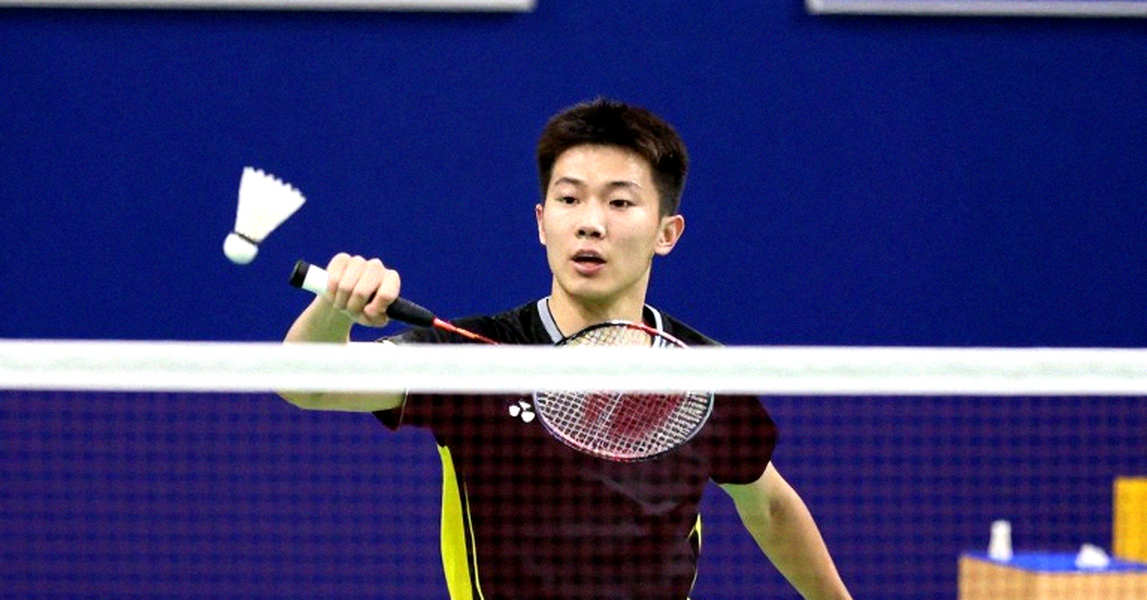
Some stars do not need a stage light; they burn from the dark. In a team tie the light usually falls on the first singles player, while the result is settled where the stands look least.
The men's team format runs to five rubbers, three singles and two doubles, played in the order first singles, first doubles, second singles, second doubles, with a third singles only if the tie reaches 2-2. That structure lowers the randomness of any single individual but pushes the pressure onto squad depth: a team can lose its strongest singles and still win the tie.
Indonesia's path in Aichi-Nagoya was not smooth. They beat Malaysia 3-2 in the quarterfinal, meaning they touched the limit of their resources. They beat Thailand 3-1 in the semifinal. In the other half of the draw, China led India 2-1 while the fourth rubber, a doubles, was still being played, so the final opponent was undetermined when the report was published. Indonesia's women's team had already gone out in the semifinal against China, a detail that increases the pressure on the men to deliver a gold medal for the delegation.
The data source needs to be stated plainly. Every fact here comes from a single report by Bola.net of Indonesia dated 20 September 2026, with no shot-level statistics, no world ranking table, and no smash-speed or placement data. One detail in the report contradicts itself: a line says "He and Liu won the first game" while the recorded score is 16-21, which normally means losing the game. Descriptions of the state of the China-India semifinal are therefore classified as pending verification, and I will not use them to draw tactical conclusions.
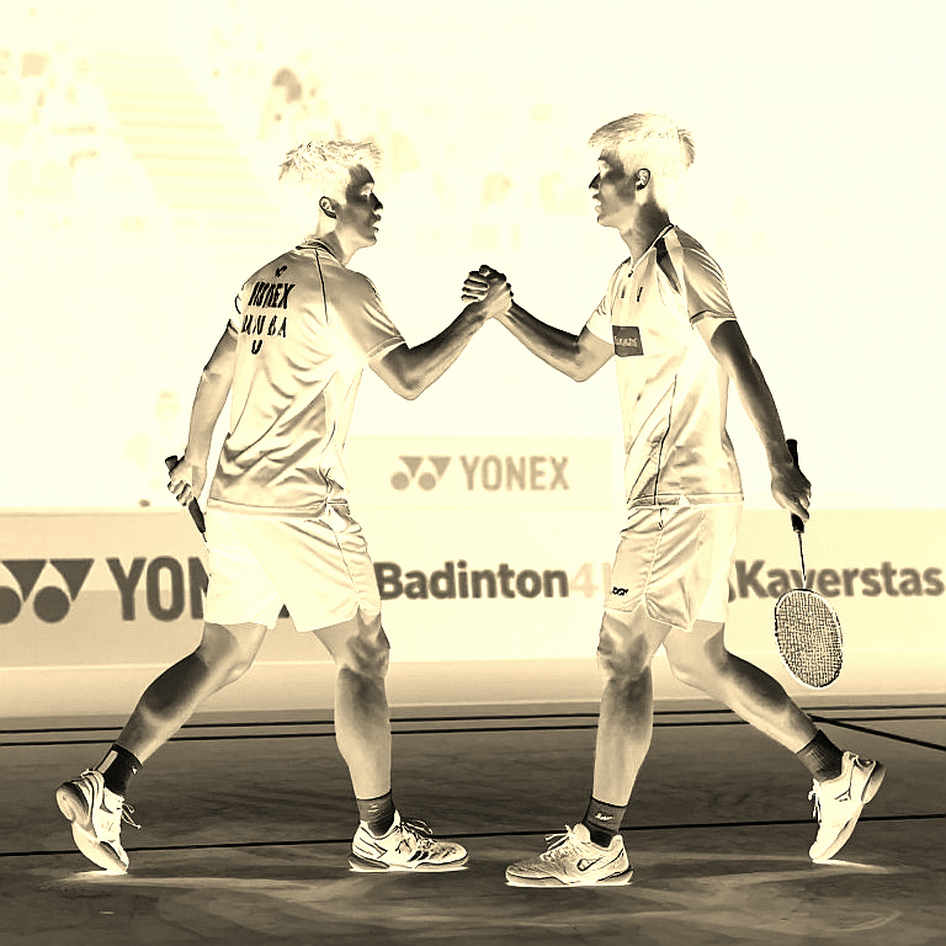
The real analysis lies in the margins of the four doubles games. Indonesia's two pairs won four straight games, by an average gap of roughly five points, and no game was pushed into the 20-20 pressure zone. With data that thin, the safest conclusion is that the pairs controlled the middle of each game, took an early lead and held it. I have no basis to talk about counter-attacking patterns, shuttle speed, or points won on serve — none of that exists in the source.
Alwi Farhan's win at second singles, 21-15 and 21-13, is the second notable fact. A young player trusted in a team semifinal — a moment with no room for error — and winning the second game by six points. Indonesia's line-up architecture is built so that the two doubles rubbers carry the result and only one singles point is required; the semifinal showed that model working exactly as designed. The report, however, does not explain why Alwi was placed at second singles rather than somewhere else, nor who the Thai opponents were in each rubber, so the tactical mechanism stays open.
At the other end, Jonatan Christie's 17-21, 14-21 defeat needs careful reading. He lost the first game by four points and the second by seven. If his opponent was a transliteration variant of Kunlavut Vitidsarn, the loss is more explicable than shocking. If not, it is a worrying sign about the ability of the first singles player to hold his rhythm on a day his team needed him. Either way, one match is too small a sample for a statement about long-term form.
One point about value deserves restating here. Team events at the Asian Games generally do not carry individual world-ranking points from the Badminton World Federation. Players walk on court for a medal for the delegation, for selection credibility and national prestige, not to defend a ranking position. A price reflects the market, but dignity reflects the person. That is why team ties expose the nature of a development system more clearly than any individual tournament.
Based on my experience following team ties across several editions of the Games, a 3-1 win with two clean doubles points often creates a false sense of safety. It gives a coaching staff a reason not to fix the singles structure.
The counter-intuitive angle sits in the very point of strength. Building around two doubles pairs is a sensible choice for a country with a leading men's doubles tradition, but it is also a blind spot. If one pair slips, the whole structure collapses because the singles rubbers no longer have enough support. In a final against China, Indonesia would almost certainly need both doubles points plus an upset in singles against a team with deeper singles resources. Against India the door is wider but far from easy: India pushing China to a fourth rubber in the semifinal shows the gap between the Asian leaders and the chasing group is narrowing.
The second blind spot is how Jonatan's defeat is read. A two-game loss does not establish a trend, but if it is dismissed as an accident, Indonesia's men's singles problem will surface precisely when nobody is guarding against it. Their system keeps producing world-class doubles pairs while not yet producing the next top singles player, and the team format is what hides that gap behind two reliable doubles points.
What matters in the final is not the medal. It is whether Alwi Farhan is handed a decisive rubber, and whether Indonesia dares to let a young player carry the burden even when the result does not tilt their way. A mature system is measured by what it does once winning stops coming from familiar places.
Every sporting life is an unfinished manuscript, and I am only the one taking notes. But every manuscript needs a chapter about the unnamed — the young players who step onto court when their team needs them most.